
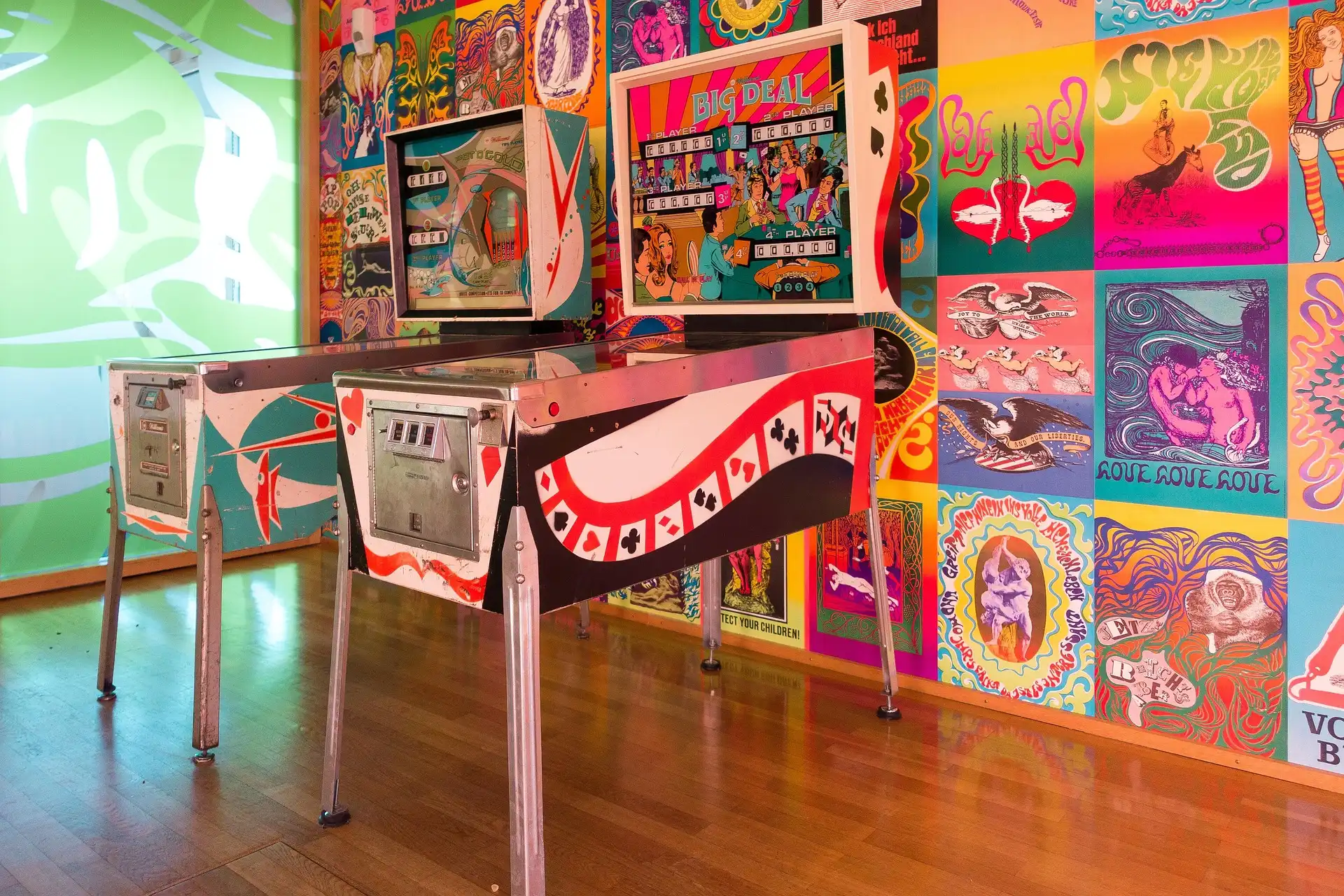
How Retro Pinball Machines Reflect Our Social History
The history of pinball is more than a tale of evolving game mechanics; it reflects our cultural and social dynamics across decades. Pinball machines transitioned from simple amusements to significant markers of social history, especially during times of economic hardship when affordable entertainment was crucial.
Nostalgia for retro pinball evokes memories of simpler times, as we examine its cultural significance and the innovations, such as flippers, that transformed gameplay. Understanding pinball's journey reveals its social impact and continuing relevance in our lives.
The History of Pinball: Why Pinball Was Banned in NYC
Pinball machines faced outright bans in cities like New York during the 1940s to 1970s due to associations with crime. Authorities believed that these machines encouraged juvenile delinquency, prompting Mayor Fiorello La Guardia to ban a game cherished by many.
Social Context During the Ban
The societal climate then was rife with anxiety around youth culture. Movie theaters and arcades were emerging as affordable entertainment options, leading to fears about the disruptive potential of games making loud noises and flashing lights. The pinball ban signaled deeper concerns about morality and social order.
Some critics argued the ban was a superficial response to more complex social issues, essentially condemning pinball as a scapegoat for broader societal fears. Yet, this perspective doesn't fully capture the public's apprehension regarding how entertainment might influence youth.
Impact on Youth Culture
Ironically, the ban increased interest in pinball among youth, creating a sense of rebellion. Enthusiasts formed underground communities driven by their love for the game. This period underscored pinball's cultural significance, evolving it from mere entertainment into a powerful statement about freedom and expression.
Understanding the history of pinball provides insight into societal values and concerns over time. The evolution of pinball machines during this era reflects technological advancements and shifting perceptions about what these games symbolize in our culture. This historical context enriches your appreciation for retro pinball and informs your experience in today's pinball community.
Pinball's Cultural Significance and Status in History
Pinball holds a unique place in entertainment history. Many dismiss it as mere amusement, failing to recognize its cultural importance. Once overall fun for kids at arcades, the story of pinball machines is one of societal change and nostalgia that transcends their flashing lights and sounds.
Status of Pinball
Historically, pinball has functioned as a status game. In the mid-20th century, it was viewed with suspicion, leading to the infamous New York City ban that labeled it illegal gambling. This view shifted over time as collectors began to see them as collectibles, particularly post-1970s, when interest in vintage machines surged. Classic models from manufacturers like Gottlieb Games and Bally Manufacturing showcased a newfound respect for the art and engineering behind these games.
Cultural Significance of Pinball
Skeptics who argue that pinball's simplicity diminishes its cultural significance miss the deeper narratives at play. The games reflect complex social narratives and leisure patterns. For instance, pinball's emergence during the Great Depression underscored its role as affordable entertainment. This sentiment is echoed in the design and themes of machines that inspired joy without a hefty price tag.
As nostalgia for retro pins grows, it's more than a game; it's about connecting with a past that shaped entertainment.
Evolution of Pinball Machines
The evolution of pinball machines from their electro-mechanical roots in the 1930s to the digital era represents significant technological strides. Flippers, first introduced in the 1940s, transformed gameplay, allowing for more skill and strategy. Machines like Gottlieb's Humpty Dumpty (1947) were among the first to feature flippers, forever changing how players engaged with the game and paving the way for the skill-based pinball we know today.
Frequently Asked Questions
What led to the ban of pinball machines in cities like New York?
Pinball machines were banned in cities such as New York from the 1940s to the 1970s due to their association with crime and concerns about juvenile delinquency. Authorities believed that the loud noises and flashing lights of these machines contributed to youth culture's disruptive potential.
How did the ban on pinball affect youth culture?
Interestingly, the ban sparked a rebellious interest in pinball among youth, leading to the formation of underground communities. This period highlighted pinball's transition from simple entertainment to a symbol of freedom and expression.
Why is pinball considered culturally significant?
Pinball holds cultural significance as it reflects complex social narratives and leisure patterns throughout history. Dismissed by some as mere amusement, its evolution showcases changing perceptions about entertainment and the role it plays in societal values.
What innovations in pinball machines changed gameplay?
The introduction of flippers in the 1940s marked a significant evolution in pinball machines, allowing for more skill-based gameplay. This innovation transformed how players interacted with the machines, shifting them toward more strategic experiences.
How did perceptions of pinball machines change over time?
Initially viewed with suspicion and labeled as illegal gambling, pinball machines gradually gained recognition as collectibles, especially post-1970s. Classic models from manufacturers like Gottlieb Games and Bally Manufacturing became respected for their artistic and engineering value.
What does nostalgia for retro pinball represent?
Nostalgia for retro pinball evokes memories of simpler times and highlights its cultural importance. It connects people to a past where pinball served as an affordable form of entertainment, embodying societal values and leisure during challenging periods like the Great Depression.
How did pinball machines evolve technologically?
Pinball machines have evolved significantly from their electro-mechanical origins in the 1930s to the digital age of today. This evolution not only reflects technological advancements but also changes in gameplay that have enriched player experiences over the decades.
Image by: https://unsplash.com/@tayannphoto
Comments
Log in to leave a comment.
